Different problems. Same question: is there a better way?
Sometimes I create the answer.
Sometimes I help your team create it.
Sometimes I help your team get better at doing it themselves.
INNOVATE / COLLABORATE / ENABLE
Your choice.
option 1
innovate: i find the better way
New functional ideas that give products a reason to be different, and customers a reason to choose them.
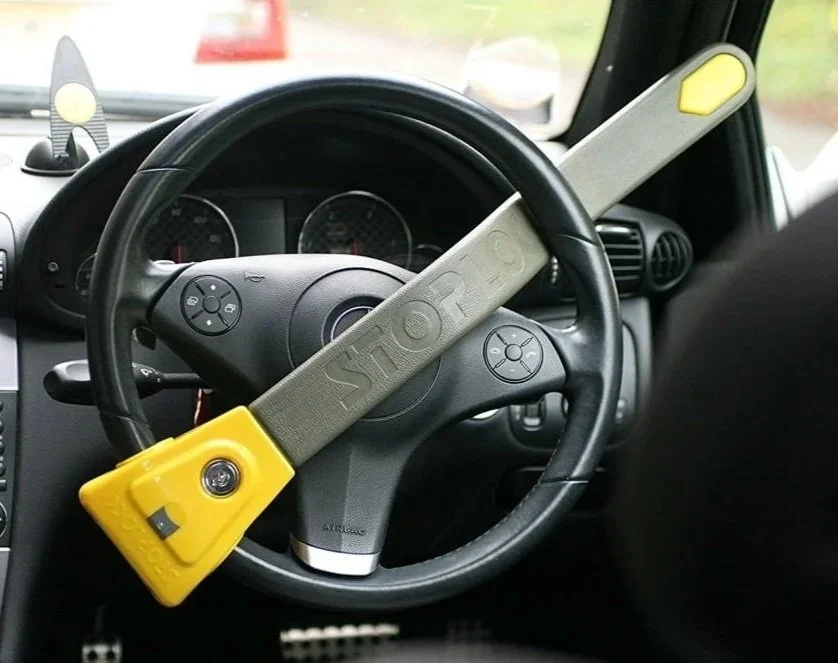
One simple observation. 35 years of sales.
Spotting what every steering wheel had in common led to a much simpler way to lock it.
In 1990, the client had spotted a proven opportunity in Australia, but the existing steering-wheel locks were clunky, awkward to use and mechanically overcomplicated. The breakthrough was noticing that steering wheels have no spokes in the top half, because they would obscure the instrument panel. That simple observation meant the lock could pass through the wheel and use a single locking point instead of the two used by existing products. The result was StopLock: simpler, easier to use, commercially successful, and still a top seller 35 years later.
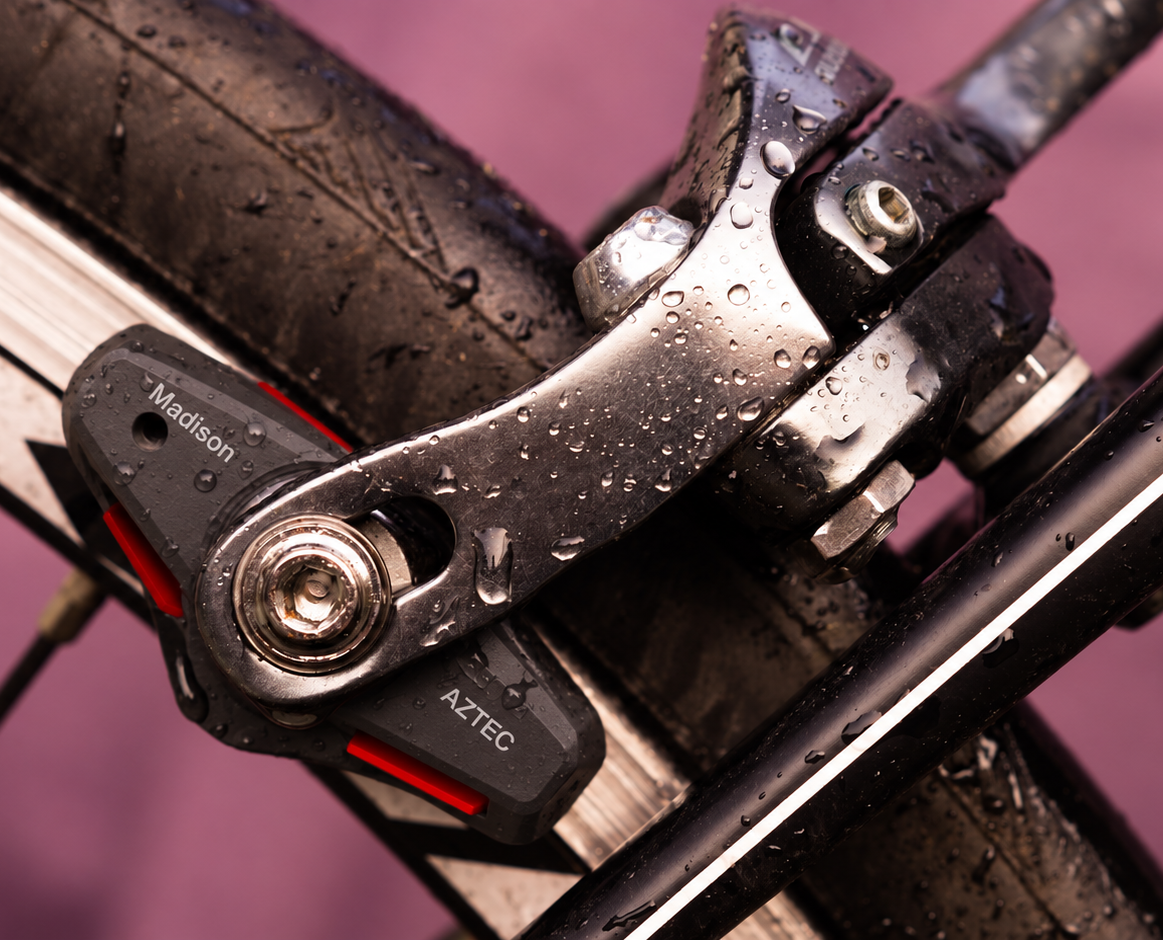
Make brake wear impossible to miss.
A simple mechanical indicator turned product wear into a reason to buy the next one.
Madison’s premium Aztec brake blocks lasted well, but that meant riders were not replacing them often enough. I developed a simple one-piece moulded indicator that stayed hidden until the brake block wore down, then popped up as a clear red warning that replacement was due. No electronics, no sensors, just a simple functional idea that improved safety and helped drive repeat sales.
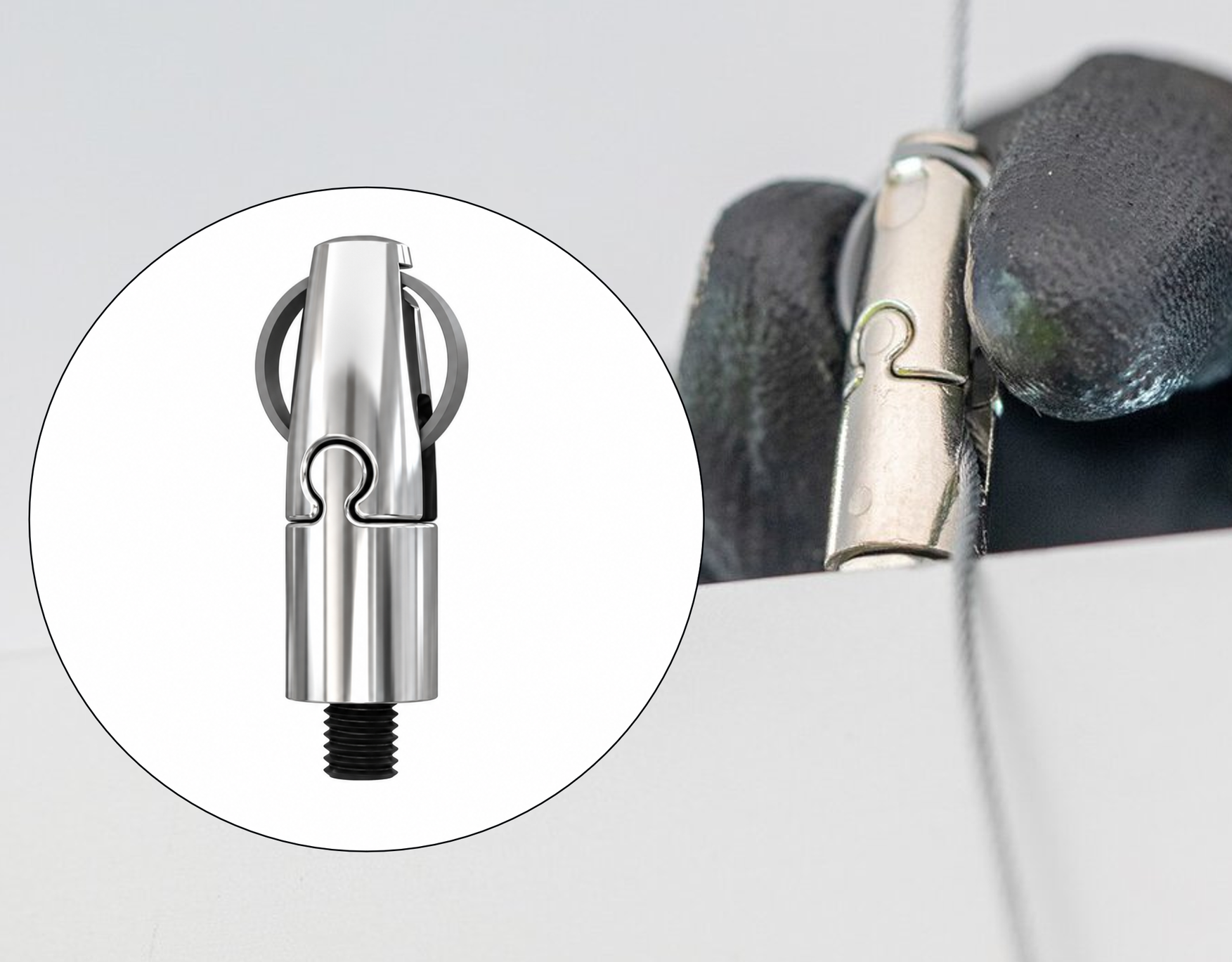
Designed for the eye.
Engineered for fat fingers.
A cleaner architectural hanger that installers could still adjust easily, even with gloves on.
The brief came from Gripple’s international sales teams: customers wanted a smaller, better-looking hanger for applications where the wire and fitting remained visible. The catch was what I called “fat finger syndrome”. Installers still needed to operate it easily with large hands and gloves. The answer was a new squeeze-release mechanism, with the release function built into the spring itself, reducing the typical component count from five parts to three. The resulting Angel range combines discreet appearance with simple one-handed adjustment, including when wearing gloves with over a million sold.
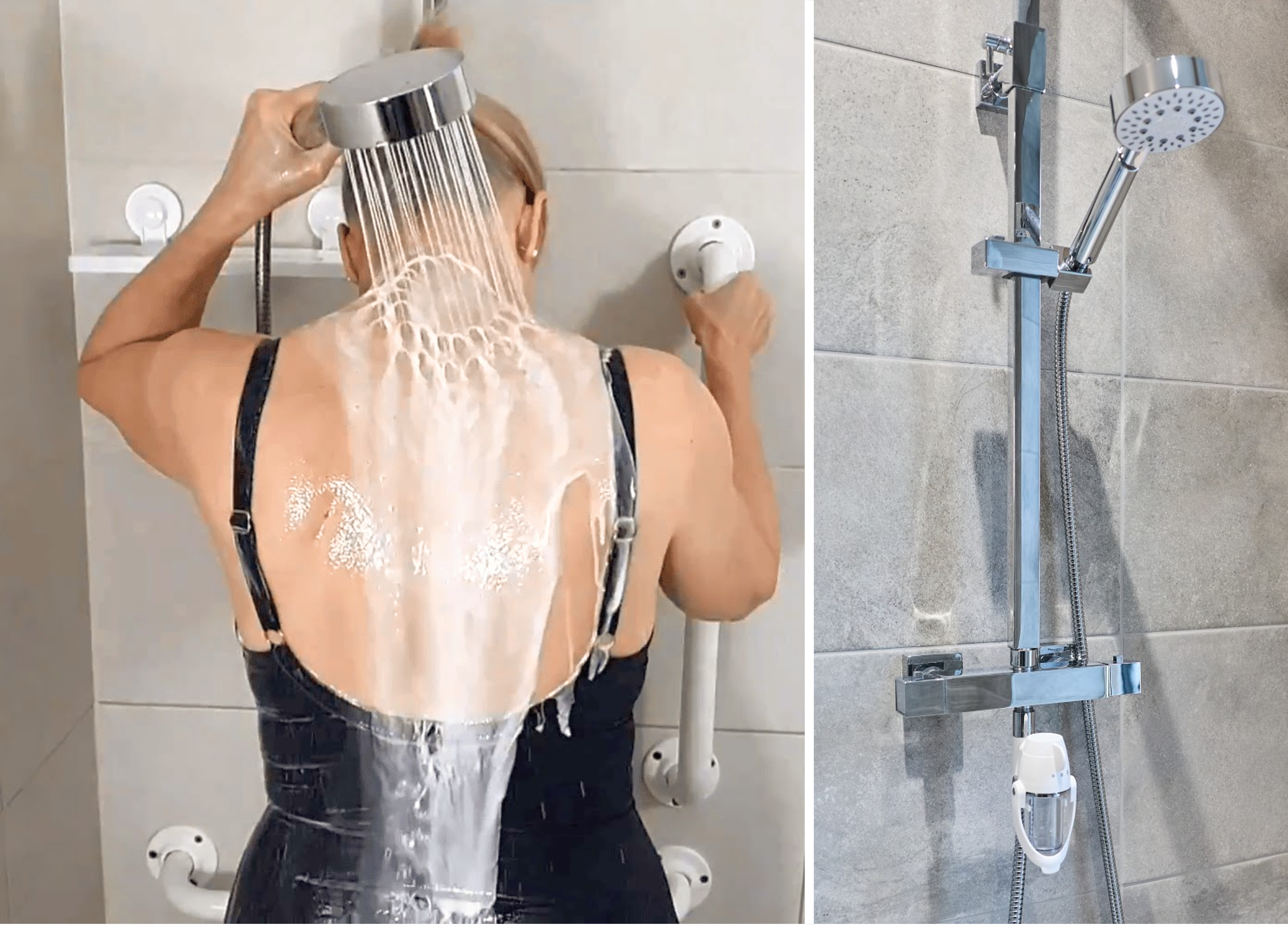
keep hold. prevent falls.
A one-handed showering system that lets users wash and rinse without letting go of the grab rail.
For people with limited mobility, balance or reach, letting go of a grab rail to handle soap can create unnecessary risk. ShowerSpaah mixes liquid soap directly into the shower water, so washing and rinsing can be controlled with one hand while the other stays securely on the rail. It is a simple change to the way a shower works, designed to make independent showering safer and easier.
option 2
collaborate: Better products are often a team sport.
I work inside your project team, contributing ideas, engineering thinking and practical development input to help get to a better answer.
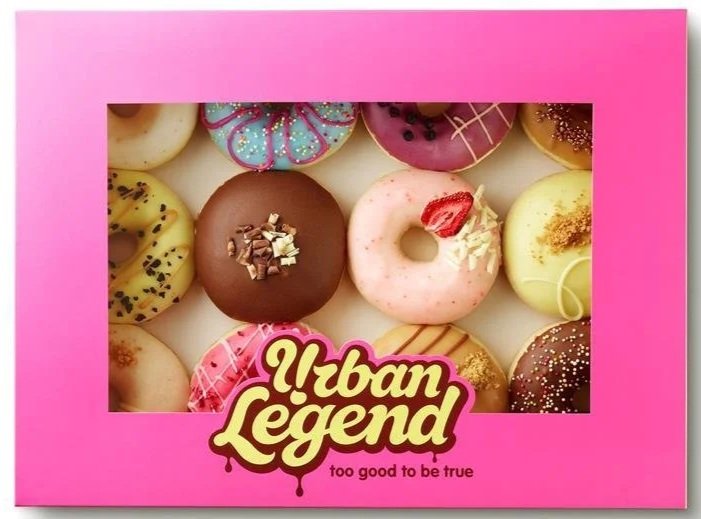
half the calories. keep the doughnut.
Engineering the frying process to cut fat absorption without losing the flavour and mouthfeel people actually want.
Urban Legend wanted to make a doughnut that tasted and ate like the real thing, but with around half the calories. The key was the frying process. I worked with the team on the engineering and thermodynamics behind a waterfall fryer, using temperature and flow calculations to minimise fat absorption while still developing the right flavour and texture. I then helped adapt existing fryers for early proving trials before producing schematic designs for the final production machine ready for scale-up.
Another brain inside the team.
Senior innovation input without adding another permanent layer to the organisation.
I work with the client’s design team through regular development reviews, bringing direct sector experience, fresh concepts and an independent view on product direction. My input ranges from shaping briefs and reviewing design milestones to patent strategy, international market insight and alternative technical approaches. The work spans the business from chief executive level through sales, marketing and engineering, but the client and product category remains confidential.
option 3
enable: Make your team better at doing it themselves, not just the product.
Help people generate stronger ideas, work together more effectively and get innovation moving faster so you don’t need me anymore.
Three years stuck. Three months moving.
Sometimes the biggest innovation problem isn’t the idea. It’s getting the team to make decisions and finish the job.
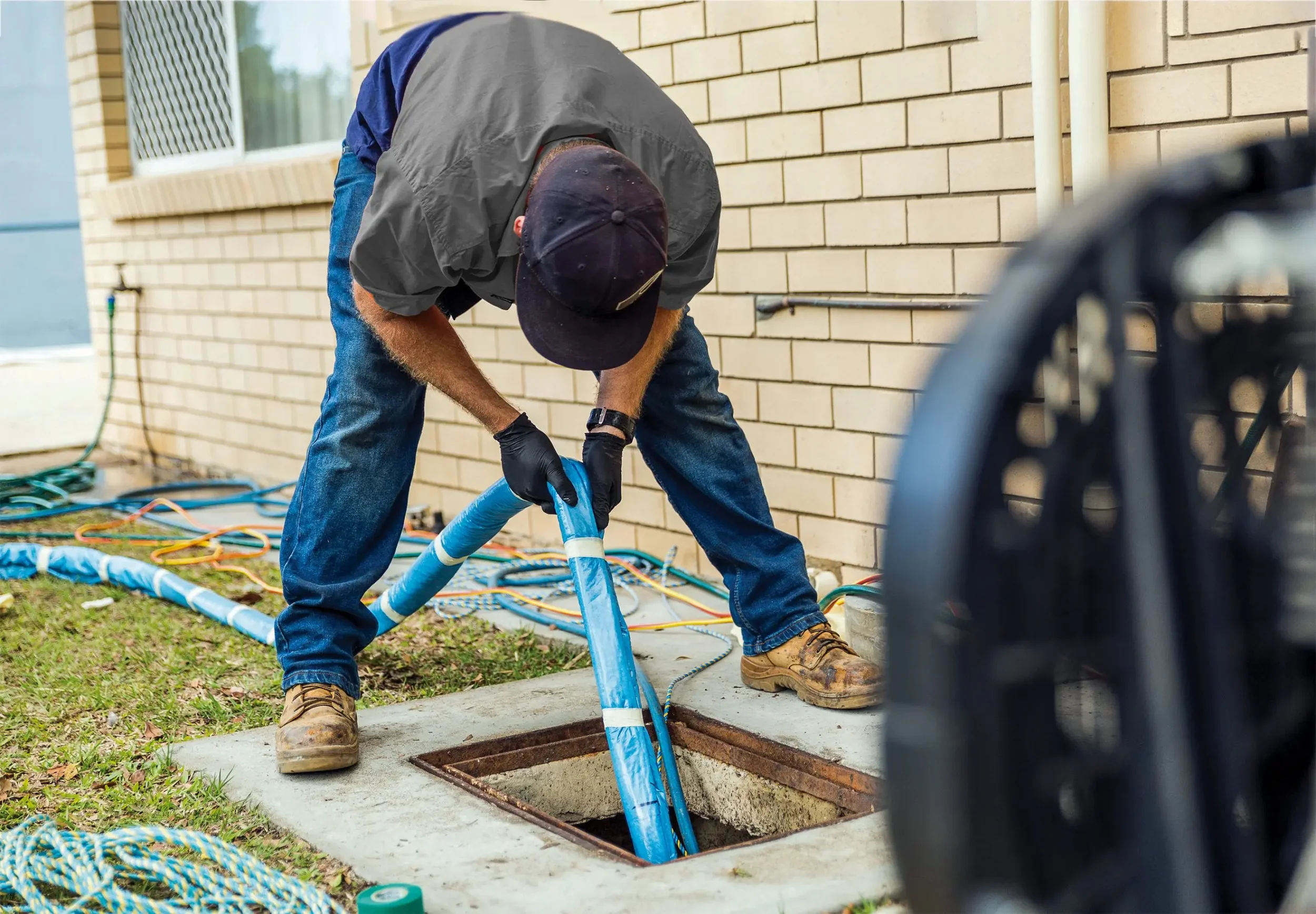
When I joined Michelin Fenner, three development projects had each been dragging on for over three years. The technical work was largely there, but decisions were not being made and the projects were not getting over the line. I worked with the team to cut through the uncertainty, make the key calls and create enough momentum to get all three completed within my first three months. The pipe-rehabilitation calibration hose was one of those projects.
This special hose is an unreinforced silicone tube used to repair damaged underground pipework without digging up the road. It is inserted into the pipe and inflated to press a resin liner against the damaged wall while the liner cures. The key technical advantage is the silicone tube’s high elasticity, allowing it to expand significantly and suit different pipe diameters.
Build the team. Change the numbers.
Give good people clear goals, better ways of working and the freedom to experiment, and innovation stops being something you ask for and starts becoming something the team delivers.
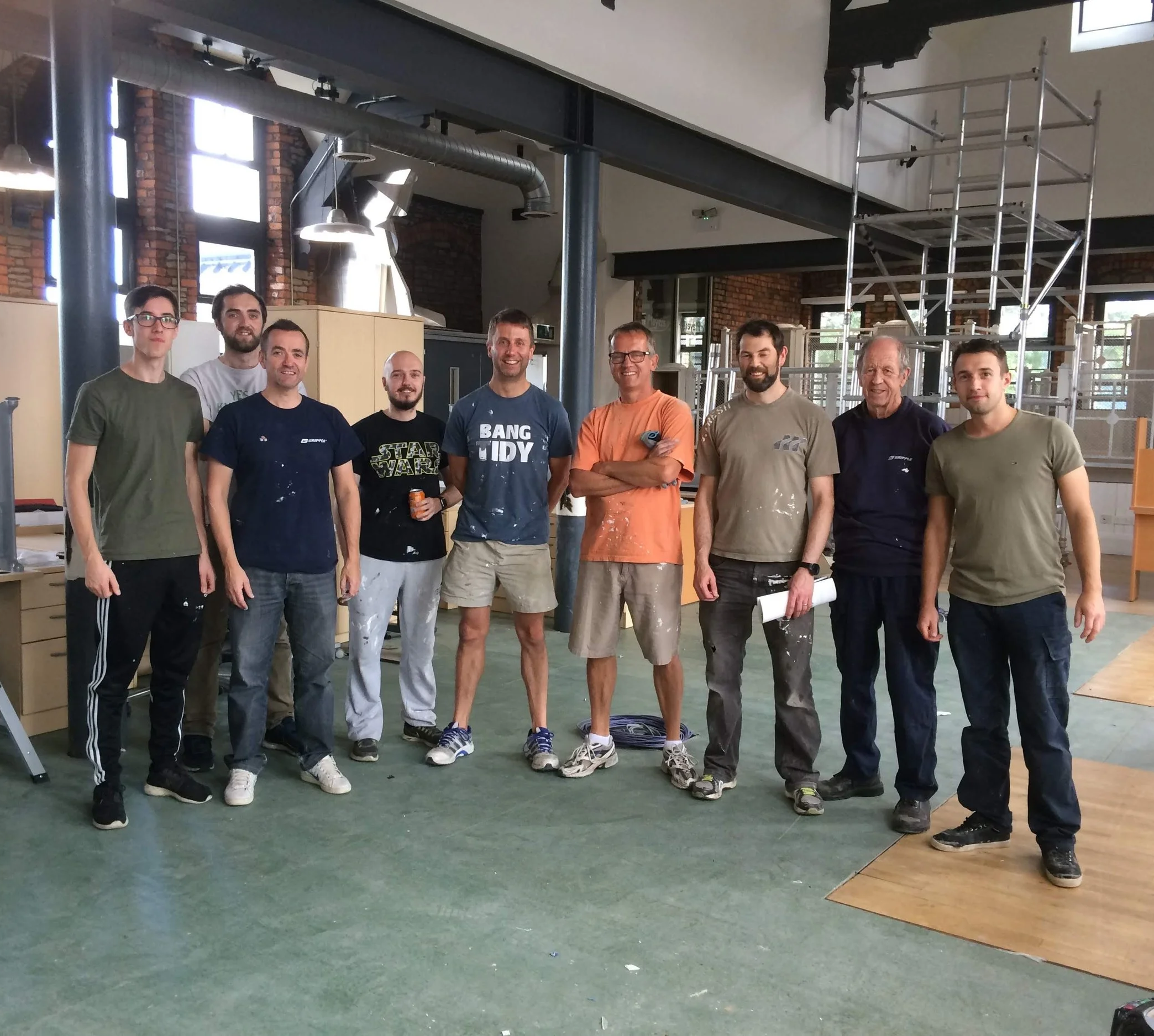
When I took over the innovation team at Gripple, its key new-product KPI had been missed for five consecutive years. Within two years, patented products launched in the preceding years had grown to around 37% of sales against a 25% target. We got there by changing how the team worked: getting designers and engineers closer to end users, introducing better project management to free up development capacity, and protecting Thursday mornings for genuine blue-sky work with no predetermined outcome. The principle was simple: make the objective clear, give people the tools and freedom to get there, and make sure they know they will be supported when something does not work.
Which kind of help do you need?
A new idea, another brain inside the team, or a team that needs to get better at finding the answers itself.
INNOVATE / COLLABORATE / ENABLE